DIRECTOR’S STATEMENT
Born in the Netherlands, one of Europe’s most light-polluted countries, I grew up in places where the night was never truly dark. Streetlights, highways, and illuminated buildings provided a sense safety and security and reduced the night to a constant glow, in which only a handful of stars remained visible. For many years, under the protection of light, I feared darkness. It was only later, through the privilege of travel in my early adulthood, that I began to understand primordial darkness not as an absence, but as a condition that allows other forms of life, perception, and imagination to exist.
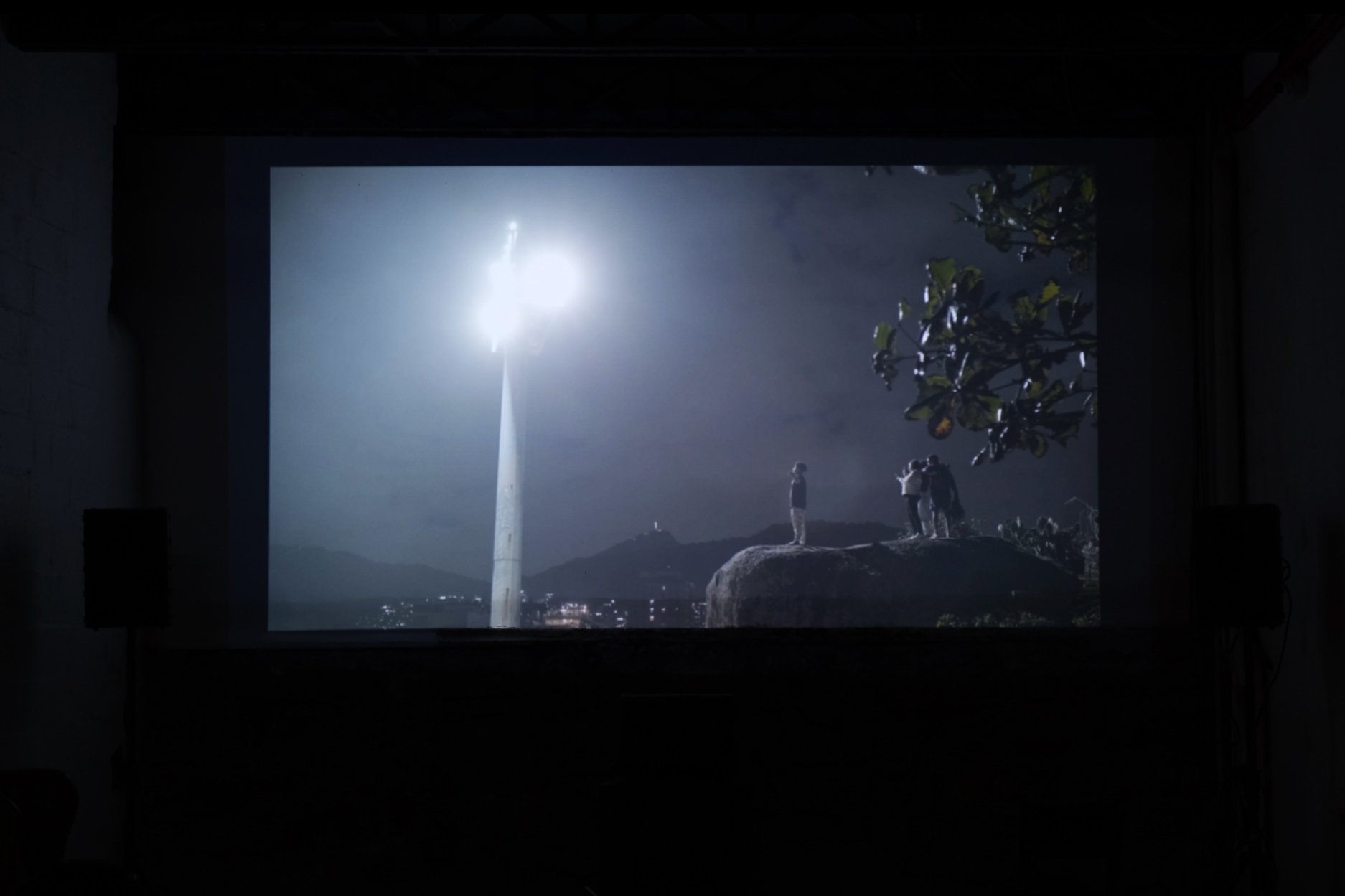
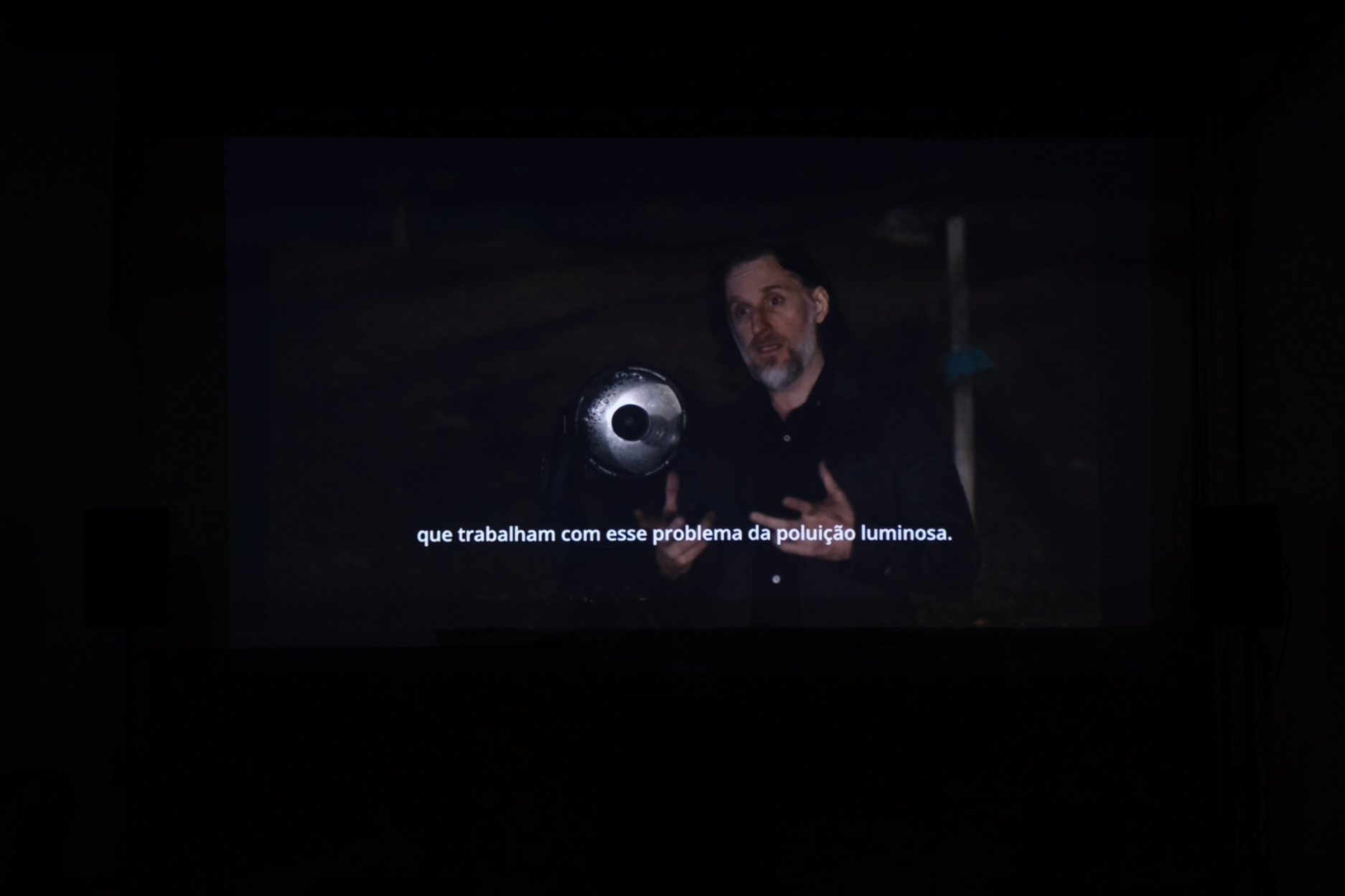
My first film, Being in Darkness, emerged from a desire to encounter the natural night again, first and foremost as a lived experience. Seen this way, the title refers to a research period in which I descended into darkness, both literally and metaphorically. This unfolded into a three-month research journey through Brazil, during which I stayed at three artist residencies and travelled from overlit urban areas into the interior landscape, where darkness still exists, yet is increasingly threatened.
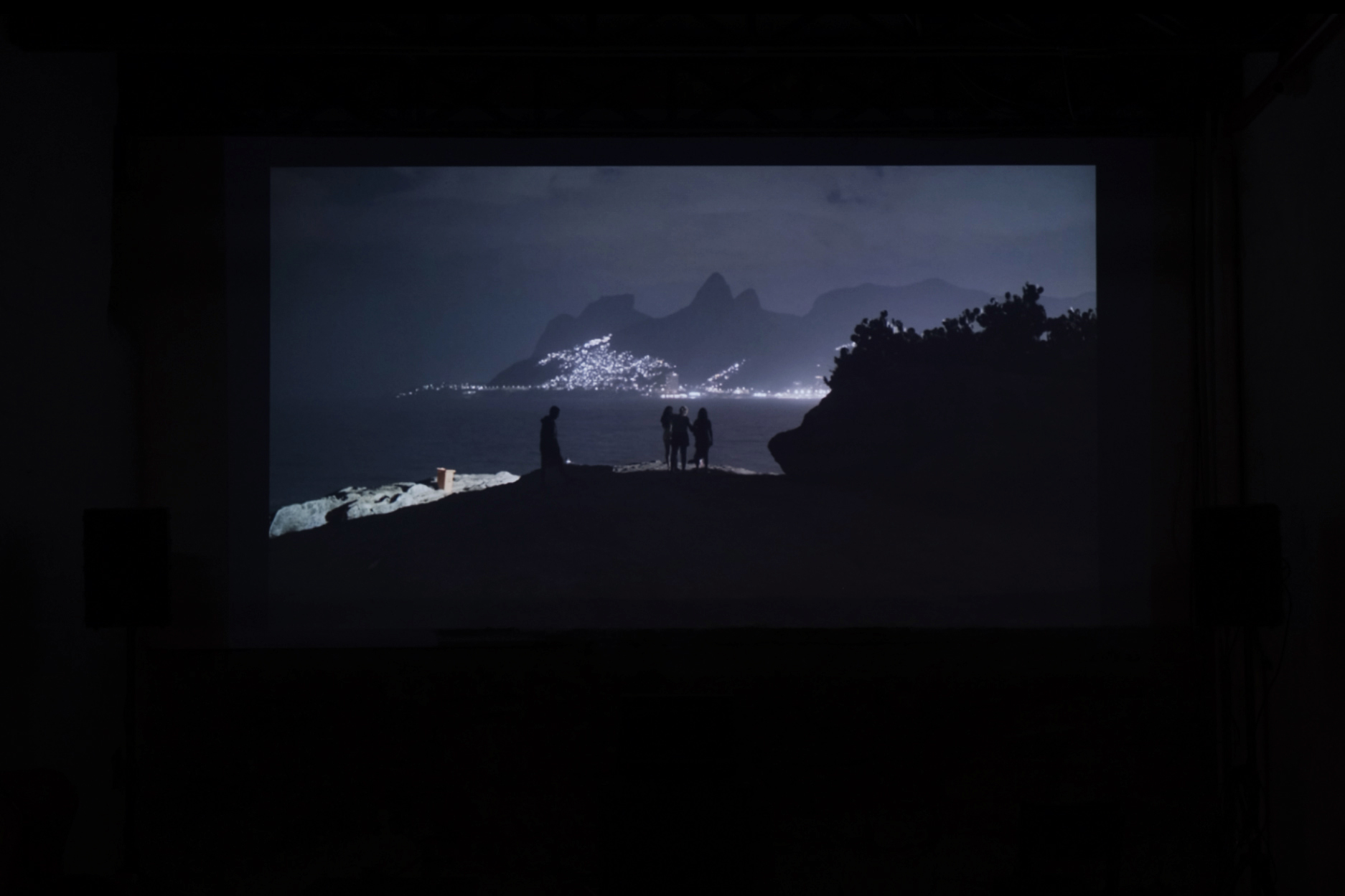
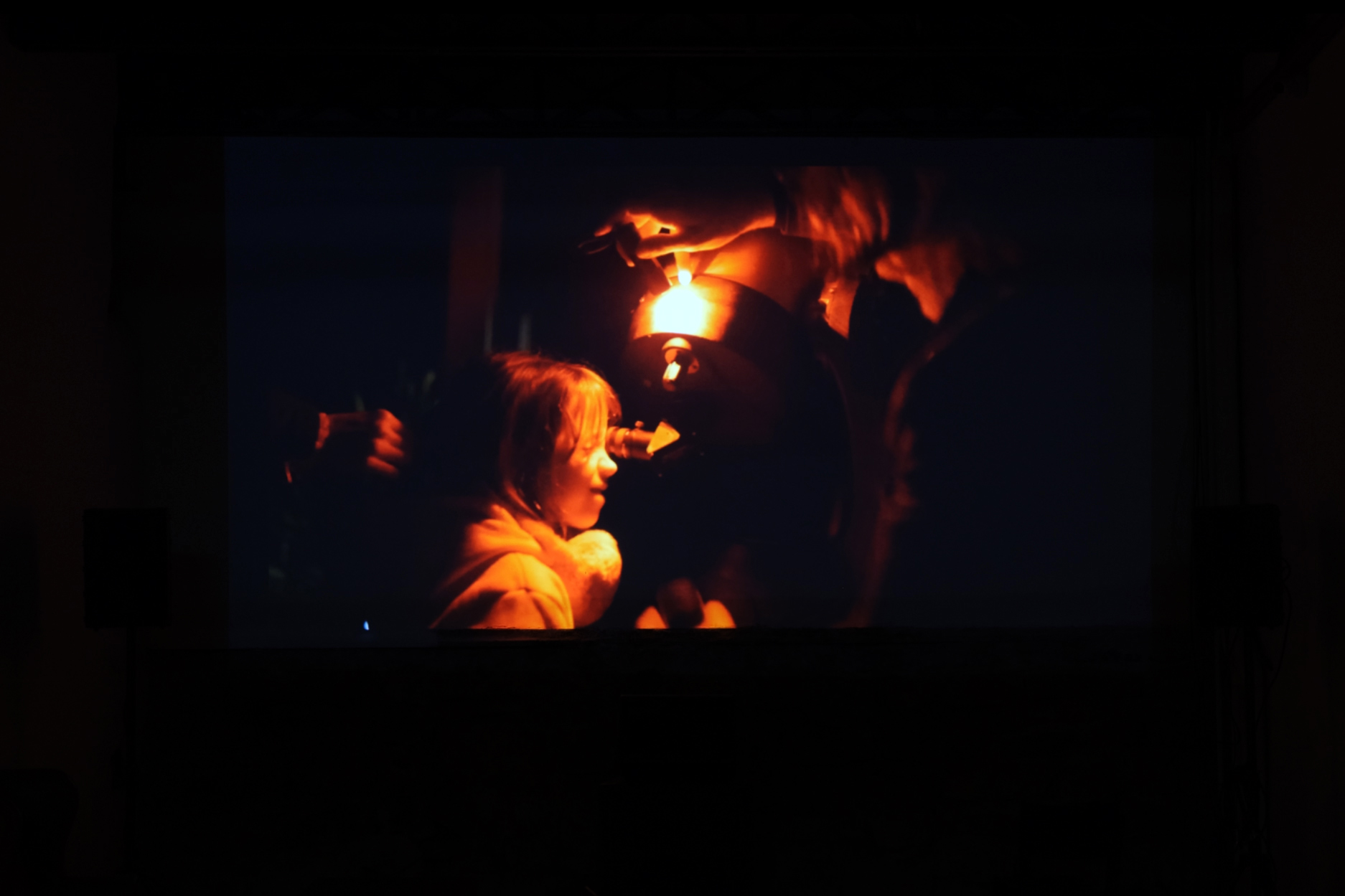
Along the way, I visited places such as the first Dark Sky Park of Latin America, a private observatory under the dark skies of Chapada dos Veadeiros, and gay cruising areas in the shadows of Rio de Janeiro. These were all spaces where darkness shapes encounters, raises questions of safety and security, and allow distinct forms of visibility.
Formally, I refused to bring in any light of my own. Instead, the film uses only existing light at the specific scenery. This decision was both ecological and ethical. I wanted the camera, and myself as a filmmaker, to adapt and attune to the environment rather than impose itself upon it. As a result, the image often fails, fades, or becomes indistinct. These moments of technical shortcoming are an invitation to shift attention — from seeing to listening, from control to attunement.
Rather than uncovering or bringing things to light, Being in Darkness stays with darkness and the unknowing, proposing a slowing down of perception. It asks how cinema — as the practice of writing and recording movement — can relate to darkness without overcoming it, and how moving images might make space for what resists visibility in an era defined by the need for permanent illumination.